DANCES OF INDIA
DANCES OF INDIA
- PERINI SHIVA TANDAVAM (TELANGANA)
- KATHAKALI (KERALA)
- BHARAT NATYAM (TAMIL NADU)
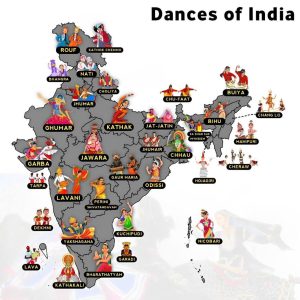 KUCHIPUDI (ANDHRA PRADESH)
- YAKSHAGANA (KARNATAKA)
- DEKHINI (GOA)
- LAVANI (MAHARASHTRA)
- ODISSI (ODISSA)
- GAURA MARIA
- JAWARA (MADHYA PRADESH)
- JHUMAIR
- CHHAU
- JAT-JATIN
- KATHAK
- GHUMAR (RAJHISTAN)
- JHUMAR
- CHOLIYA
- NATI
- BHANGRA (PANJAB)
- KATHOK CHENMO
- ROUF (KASHMIR)
- GARBA (GUJRAT)
- BIHU
- BUIYA
- MANI PURI
- CHERAW
- HOJAGIRI
- KA SHAD SUK KYNSIEM
- CHANG LO
- CHU-FAAT
- NICOBARI (NICOBAR)
- GARADI
- LAVA
- TARPA
PERINI SHIVATANDAVAM:-
Perini Dance: A Sacred Martial Art in Motion
Perini Dance, also spelled Perini Nritya, is a unique classical dance form that traces its origins to the vibrant state of Telangana in India, particularly during the reign of the Kakatiya dynasty (12th–13th centuries). Unlike most traditional Indian dances that revolve around themes of devotion, love, or mythology, Perini stands apart as a vigorous, martial dance form rooted in the preparation for battle. Known as the “Dance of Warriors,” Perini is an explosive blend of rhythm, energy, and spiritual elevation, historically performed by soldiers before going to war.
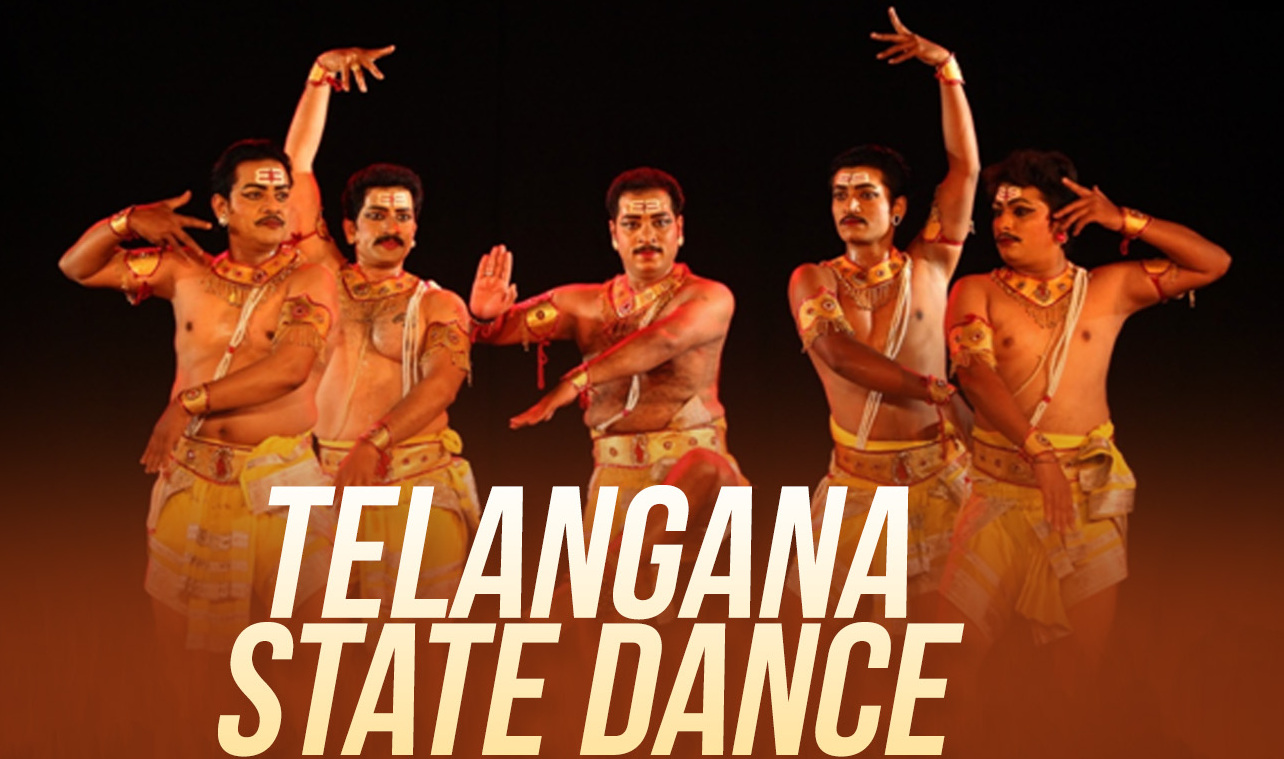
This dance form had nearly vanished from the cultural landscape until it was revived in recent decades. Today, it is not only a symbol of Telangana’s rich heritage but also an embodiment of physical discipline and spiritual alignment.
Origins and Historical Background
The roots of Perini lie in the reign of the Kakatiya dynasty, especially under the rule of King Ganapati Deva and his daughter Rudrama Devi. The dynasty was known for its support of the arts, architecture, and military prowess. Perini was performed in temples, especially in front of Lord Shiva, the patron deity of the warriors.
The dance derives its name from the Sanskrit word Prerana, meaning inspiration. It is believed that the dance was intended to inspire and energize warriors before a battle. The ritual was deeply spiritual – the dancer, through rhythmic movements, music, and trance, would invoke divine energy to gain strength, fearlessness, and focus.
Performers would usually dance in front of a fire or in the sanctum of a Shiva temple, often before a lingam, seeking blessings and strength. The Perini dancers sought to embody the cosmic energy of Shiva himself – specifically his fierce and masculine aspect – which was considered crucial before heading into battle.
The Revival of Perini Dance
For centuries, Perini faded into obscurity due to various socio-political changes, including the fall of the Kakatiya empire and colonial influences that suppressed native art forms. It wasn’t until the late 20th century that Perini resurfaced.
Credit for its revival goes to renowned dance guru Padma Shri Dr. Nataraja Ramakrishna, a celebrated proponent of Andhra and Telangana’s classical dance traditions. He painstakingly reconstructed the dance form by researching temple sculptures, ancient texts, and oral traditions. The carvings on the pillars of the Ramappa Temple and other historical sites provided vital clues to the lost movements and structure of Perini.
Thanks to his efforts, Perini has found a new generation of practitioners and is now taught and performed in cultural festivals and dance institutions across India and abroad.
Characteristics and Style
Perini is not a dance of grace and fluidity like Bharatanatyam or Kuchipudi. Instead, it is robust, raw, and intensely masculine. Traditionally performed by men, it is characterized by powerful footwork, dynamic movements, and rhythmic vocalizations that align the dancer’s body with a divine rhythm.
Some defining elements of Perini include:
-
Rhythmic Foot Stomping: One of the most distinctive features is the vigorous footwork, where dancers strike the floor with great force. This represents both the warrior’s strength and the resonating connection to the earth and divine energy.
-
Percussion-based Accompaniment: The dance is typically accompanied by traditional instruments like the mridangam, damaru, and conch, which intensify the energy. The sound of the damaru (a small two-headed drum associated with Shiva) is especially symbolic.
-
Chanting and Vocalizations: The dancer may shout or chant syllables like “OM” or mantras to invoke spiritual energy and rhythm.
-
Mudras and Abhinaya: While less focused on storytelling, Perini still incorporates hand gestures (mudras) and facial expressions (abhinaya), especially when evoking mythological references or representing deities.
-
Trance-like Performance: Dancers often enter a meditative, trance-like state during the performance. The aim is not just to entertain but to become a vessel for divine energy, much like a yogi or ascetic.
-
Shiva Connection: The dance is seen as a form of tandava, the cosmic dance of Lord Shiva. The entire performance becomes an offering to the divine, merging martial spirit with spiritual consciousness.
Cultural Significance
Perini Dance is more than just a performance – it is a bridge between the physical and metaphysical. While it served a pragmatic function in history, preparing soldiers mentally and physically for war, it also symbolized the dancer’s internal battle: the conquest of fear, doubt, and ego.
In a broader cultural sense, Perini reinforces the symbiotic relationship between martial arts and spirituality in Indian tradition. It showcases how Indian classical arts often blur the lines between dance, yoga, and ritual – offering not just physical discipline but a means of inner transformation.
Moreover, the resurgence of Perini represents a cultural reawakening for Telangana. As the state continues to assert its unique identity post its formation in 2014, traditional art forms like Perini play a vital role in shaping regional pride and preserving heritage.
Modern Relevance and Adaptation
While still not as widespread as other Indian classical dances, Perini is gaining popularity among dancers, scholars, and audiences interested in indigenous and lesser-known traditions.
Efforts are underway to introduce Perini in academic curricula, cultural programs, and dance festivals. Institutions in Telangana and Andhra Pradesh now offer training in Perini, and female dancers are also beginning to take it up, adding new dimensions to the form while respecting its roots.
Choreographers are experimenting with fusion performances, combining Perini with other classical or contemporary styles, although purists emphasize the need to maintain its core identity and spiritual intent.
Additionally, digital media has played a key role in its growth. Platforms like YouTube, online workshops, and documentaries have brought Perini to global audiences, sparking interest among the Indian diaspora and world dance enthusiasts alike.
Conclusion
Perini Dance is a testament to India’s diverse and profound artistic traditions – a martial dance that fuses physical energy with divine devotion. From the temple corridors of the Kakatiya dynasty to the cultural stages of modern India, Perini has traveled a long road of decline, rediscovery, and resurgence.
In an era where many traditional art forms face extinction, the revival of Perini is not just a victory for Telangana’s cultural heritage but a reminder of the transformative power of dance itself. It continues to inspire new generations to explore the past, honor the warrior within, and dance with purpose, intensity, and sacred fire.
#PeriniShivatandavam #TelanganaCulture #ClassicalDance #IndianHeritage #LordShiva #WarriorDance #KakatiyaGlory